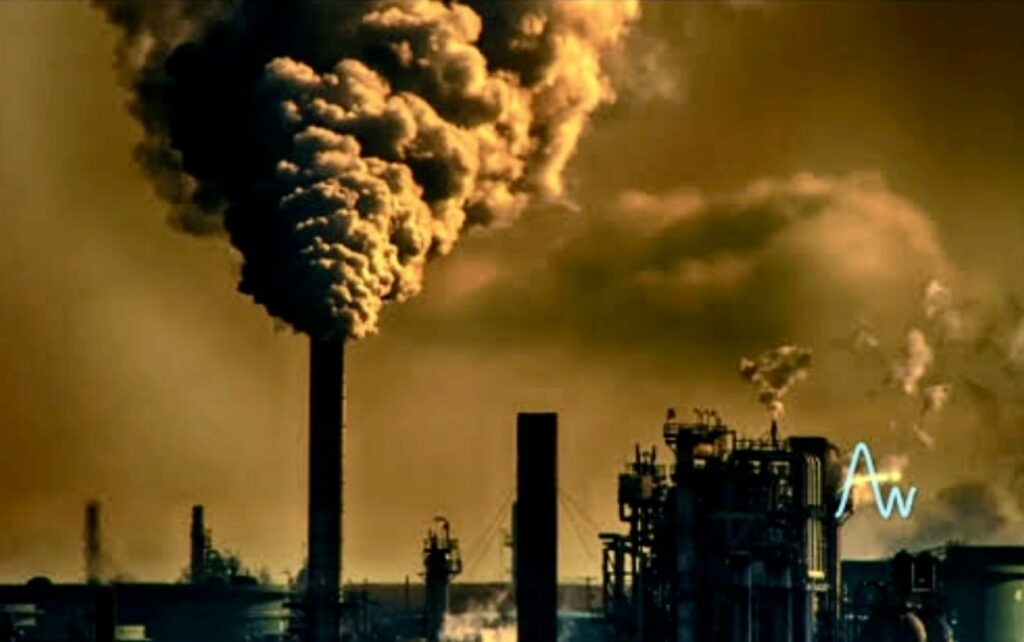
At the COP30 climate summit in Belém, an issue sparked substantial debate among governments, civil society, and policy experts: one in every twenty-five participants was a fossil fuel lobbyist. According to the coalition Kick Big Polluters Out, more than 1,600 representatives of oil, gas, coal and associated financial groups were granted access to this year’s negotiations—exceeding the size of every national delegation except that of the host country, Brazil. This marks one of the highest concentrations of fossil fuel lobbyists since their presence was first systematically documented in 2021.
Although the total number of lobbyists is lower than at COP28 and COP29, their overall share has increased due to reduced attendance at COP30. Over the past five years, nearly 7,000 fossil fuel industry representatives have been accredited to UN climate conferences—during a period marked by intensifying extreme weather events, rising profits for the fossil fuel sector and a surge in climate-related disinformation.
Experts warn that this trend reflects a structural dominance of corporate interests in global climate governance. Human rights and climate organisations highlight that countries facing some of the most severe consequences of climate change—such as the Philippines, Iran or Jamaica—have delegations dozens of times smaller than the number of industry lobbyists present at COP30. In several cases, fossil fuel representatives outnumbered vulnerable nations’ official delegates by ratios of 40 to 1 or more.
Transparency concerns are amplified by the fact that many countries failed to disclose the affiliations of their delegates. According to Transparency International, over half of national delegations included participants whose institutional ties were concealed or not adequately specified. Despite new disclosure requirements aimed at improving transparency, these rules do not apply to official government delegations, leaving significant gaps in accountability.
Civil society groups argue that such dynamics undermine trust in the negotiation process. Following the recent advisory opinion of the International Court of Justice—which stated that further expansion, extraction and subsidisation of fossil fuel activities may constitute an internationally wrongful act—questions about conflicts of interest have gained even greater relevance. The UN Special Rapporteur on Climate Change emphasised that fossil fuel companies face an inherent conflict of interest comparable to that historically recognised in relation to the tobacco industry.
Several countries, including France and Norway, have incorporated senior executives from oil and gas corporations into their official delegations, drawing criticism for blurring the line between state representation and corporate lobbying. Meanwhile, major global business associations argue that they represent diverse economic sectors, not only fossil fuel companies.
The COP30 debate extends far beyond climate policy itself and touches on broader issues of lobbying, transparency and the influence of private interests on multilateral decision-making. These developments underscore the need for clearer rules on lobbyist participation in global climate negotiations, including enhanced disclosure requirements, stricter conflict-of-interest safeguards and possible limitations on the involvement of sectors directly responsible for blocking climate action.
The unprecedented presence of fossil fuel lobbyists at COP30 highlights the importance of integrity, transparency and accountability in lobbying practices. For Ukraine—currently implementing its own pioneering lobbying legislation—these international cases serve as a reminder: transparent procedures, clear access rules and strong conflict-of-interest controls are essential for ensuring trust in political processes at both national and global levels.