The issue of mandatory SIM card identification has once again returned to the public agenda in Ukraine, driven by security considerations related to the ongoing war. In particular, statements regarding the use of Ukrainian SIM cards by Russian forces have intensified discussions about limiting anonymous mobile communications. At the same time, no legislative decisions have been adopted — the issue remains at the level of political and policy debate.
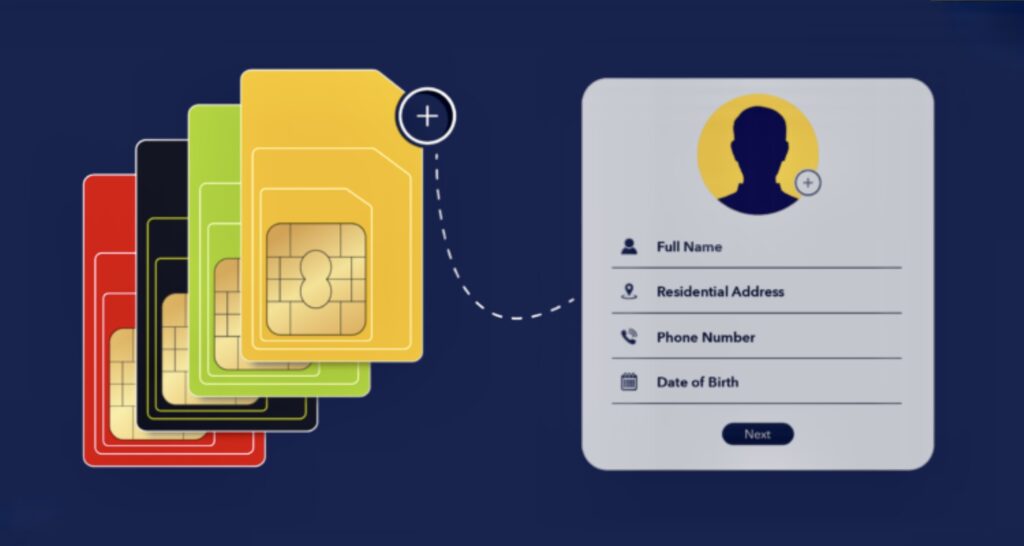
SIM identification implies mandatory linkage of a mobile number to a specific individual. Currently, Ukraine operates under a voluntary identification model, and a significant share of the market remains anonymous. This is precisely what the state views as a risk. At the parliamentary level, there is also recognition that any decision will be difficult to implement, particularly due to potential resistance from mobile operators, for whom the issue is directly tied to revenue.
The market’s position remains cautious. Operators generally support efforts to enhance security but emphasize that rapid implementation without proper preparation would create technical and operational challenges. They also note that identification alone does not guarantee a reduction in cybercrime. In essence, this signals a willingness to engage in compromise, but not to accept a rigid regulatory approach.
International experience shows that mandatory SIM registration is a common practice, but its effectiveness is limited. In many countries, it has reduced the share of anonymous SIM cards, yet it has not fully addressed fraud and has introduced new risks — including data breaches and the emergence of black markets for SIM cards.
The economic dimension is critical. Ukraine’s mobile telecommunications market is highly concentrated, and even a moderate decline in SIM sales can have a significant financial impact. According to estimates, a 10% decrease in SIM sales could result in approximately UAH 8 billion in annual losses across the market. In addition, operators would incur further costs related to implementing identification procedures, reinforcing their cautious stance.
From a government relations perspective, this represents a classic conflict: the state operates within a security-driven logic, while the market follows economic incentives. Active lobbying by operators aimed at softening the regulatory model or delaying implementation is likely. At the same time, a political decision could be made regardless of market opposition if the security argument prevails. Key institutions in this process include Parliament, the government, the sectoral regulator, and security agencies.
The risks associated with mandatory identification remain substantial. These include personal data protection concerns, the complexity of technical implementation, potential barriers to access for certain user groups, and the continued possibility of bypassing the system through alternative communication channels.
In conclusion, SIM card identification is not merely a technical measure. It is a matter of balancing security, economic interests, and user rights — one that requires a comprehensive and carefully calibrated approach.
Sources: Law of Ukraine “On Electronic Communications”; Obozrevatel materials; public statements by market participants; international reviews of SIM registration practices.