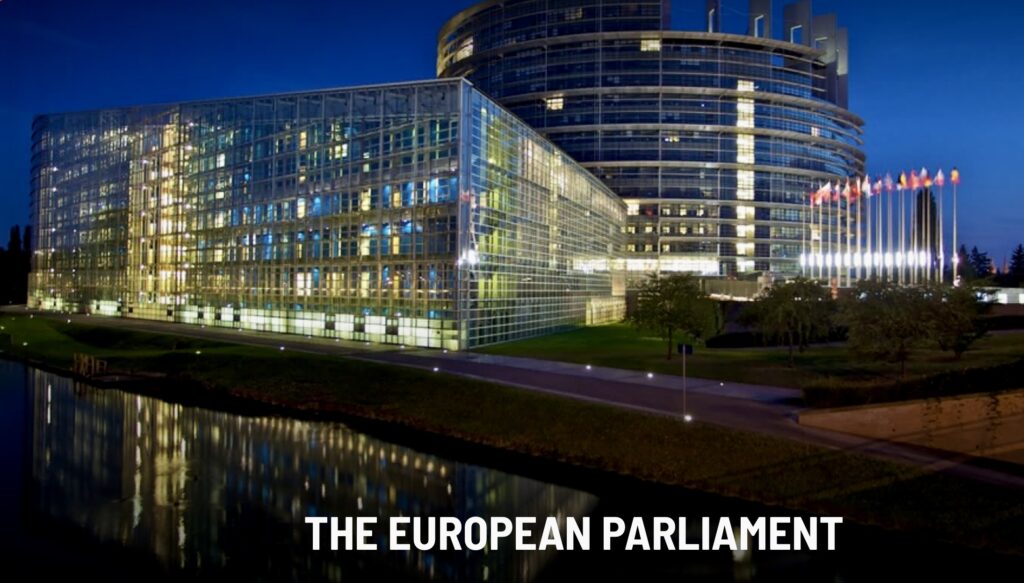
The European Parliament has approved its negotiating position on new legislation aimed at increasing the transparency of lobbying activities carried out on behalf of third countries. This decision opens the door to further discussions with the Council of the EU and the development of a joint legislative text. The initiative seeks to strengthen trust in EU decision-making processes and establish unified transparency standards for actors influencing policy while operating outside the EU’s jurisdiction.
Under the proposed framework, all “interest-representation service providers” acting on behalf of third countries would be required to register in national lobbying registers, which will be interconnected through a dedicated EU-wide portal. Once registered, each entity would receive a unique identification number valid across the entire European Union. This is expected to improve the consistency of data and avoid fragmentation between Member States.
The regulation would apply to a wide range of activities, including consultations with public authorities, drafting policy or legislative proposals, communication and advocacy campaigns, organisation of or participation in thematic events, submission of policy recommendations, and activities aimed at shaping public opinion. Journalistic work, academic research, diplomatic functions and legal assistance would not fall under the definition of lobbying and would therefore be exempt from registration.
The European Parliament stresses that the objective of the legislation is not to create barriers for organisations with international links but to ensure transparency, accountability and equal conditions for all actors involved in influencing public policy. Clear identification of interests and disclosure of funding sources are essential to strengthening public trust and countering opaque or manipulative influence.
For Ukraine, this development has practical and strategic importance. The national framework for regulating lobbying is undergoing significant transformation: the Law “On Lobbying” and the Transparency Register are establishing new standards for businesses, consultants and industry associations. European approaches can serve as a benchmark for further refinement of Ukrainian regulation and alignment with the expectations of EU partners within the integration process.
For companies operating in or engaging with EU markets, enhanced transparency requirements mean the need for systematic documentation of GR activities, risk assessment, proper structuring of communication with consultants and a higher level of disclosure in cross-border projects. For GR and public-affairs consultants, the changes open new opportunities — including audits of international influence links, compliance policy development, support in registration processes and regulatory risk analysis.
The EU initiative reflects a broader European trend: lobbying must be transparent, traceable and understandable to the public. This contributes to higher-quality policymaking and encourages the professionalisation of the GR sector. For Ukraine and Ukrainian businesses, the new rules are an opportunity to move in step with European practices and strengthen institutional capacity in the field of public-policy influence.