In recent months, the media has repeatedly reported on cases involving contraband or counterfeit goods. These stories range from illegal production of excisable goods to so-called “grey imports” of mass-market consumer products.
One of the most high-profile recent cases involves the electronics retailer chain Yabko. According to media reports citing sources, detectives of the Bureau of Economic Security (BES) carried out investigative measures at storage and distribution facilities in the Lviv region as part of proceedings related to suspected illegal imports and tax evasion. The coverage also mentioned the seizure of significant volumes of electronics, while the scale of operations was described in the media as exceeding USD 100 million.
This is not an isolated incident. Law-enforcement agencies regularly report on a wide range of similar schemes.
For example, the BES has sent to court a case concerning the organisation of counterfeit cigarette production in the Kyiv region. According to the BES, the facility’s capacity exceeded 4,000 packs per day, and searches resulted in the seizure of equipment and raw materials valued at more than UAH 2.2 million.
Another example is the exposure of illegal alcohol production in Kyiv, where authorities reported the seizure of approximately 50 tonnes of спирт (industrial alcohol) and 3 tonnes of finished products, with an estimated value exceeding UAH 15 million.
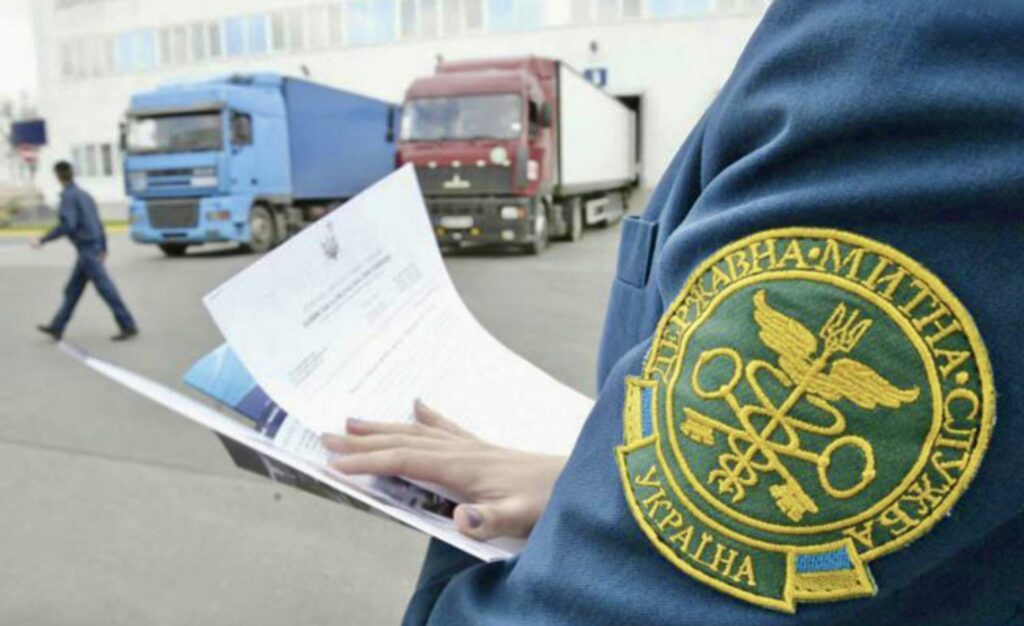
Counterfeit goods are also frequently intercepted at the border. At the Porubne border crossing, customs officers reported finding undeclared branded perfumes and clothing in a passenger bus, with an estimated value of around UAH 2.5 million.
Taken together, these cases show that the problem is not limited to one market. Contraband and counterfeits cut across multiple sectors — electronics, tobacco, alcohol, branded goods, and in some instances pharmaceuticals.
The tobacco market remains one of the most illustrative in terms of measurable scale. Industry monitoring estimates that illegal tobacco products accounted for about 17.8% of the market in 2025 — equivalent to more than 5.5 billion cigarettes per year. Annual budget losses from unpaid taxes in this segment are estimated at roughly UAH 26.5 billion.
At the same time, the underlying mechanics are evolving. What used to be understood primarily as physical smuggling across the border is increasingly shifting into more complex “economic” schemes — undervaluation of goods at customs, misuse of preferential import regimes, sales through networks of controlled sole proprietors, or disguising commercial flows as private postal shipments.
The result is a persistent shadow segment with tangible economic consequences.
First, it translates into direct budget losses through unpaid customs duties, excise taxes, and other payments.
Second, it creates unfair pressure on compliant businesses, which are forced to compete with products that enter the market without the same tax burden.
Third, in certain sectors — particularly alcohol and tobacco — counterfeit products can pose real consumer safety risks.
Countering these markets remains an institutional challenge. Different segments involve customs authorities, the tax service, law enforcement, and sector regulators. Effectiveness depends largely on whether these institutions can act consistently and coordinate their efforts.
In recent years, Ukraine has taken several important steps — including introducing criminal liability for certain categories of smuggling, strengthening post-clearance controls, and moving toward digital traceability solutions for excisable goods.
At the same time, the scale of the problem clearly calls for a more comprehensive approach — from credible analytical assessment of shadow markets to stronger cross-institutional coordination.
At GR Consulting UA, we believe that effective counteraction is only possible through consistent, institutional work. This includes improving regulatory policy, strengthening mechanisms of parliamentary oversight, and providing evidence-based analysis that supports practical anti-shadow-economy solutions.
We support initiatives aimed at systematically assessing the scale of this challenge and developing workable policy responses — and we work to ensure that expert analysis and the business perspective are reflected in the state’s approach to tackling contraband and counterfeits.